

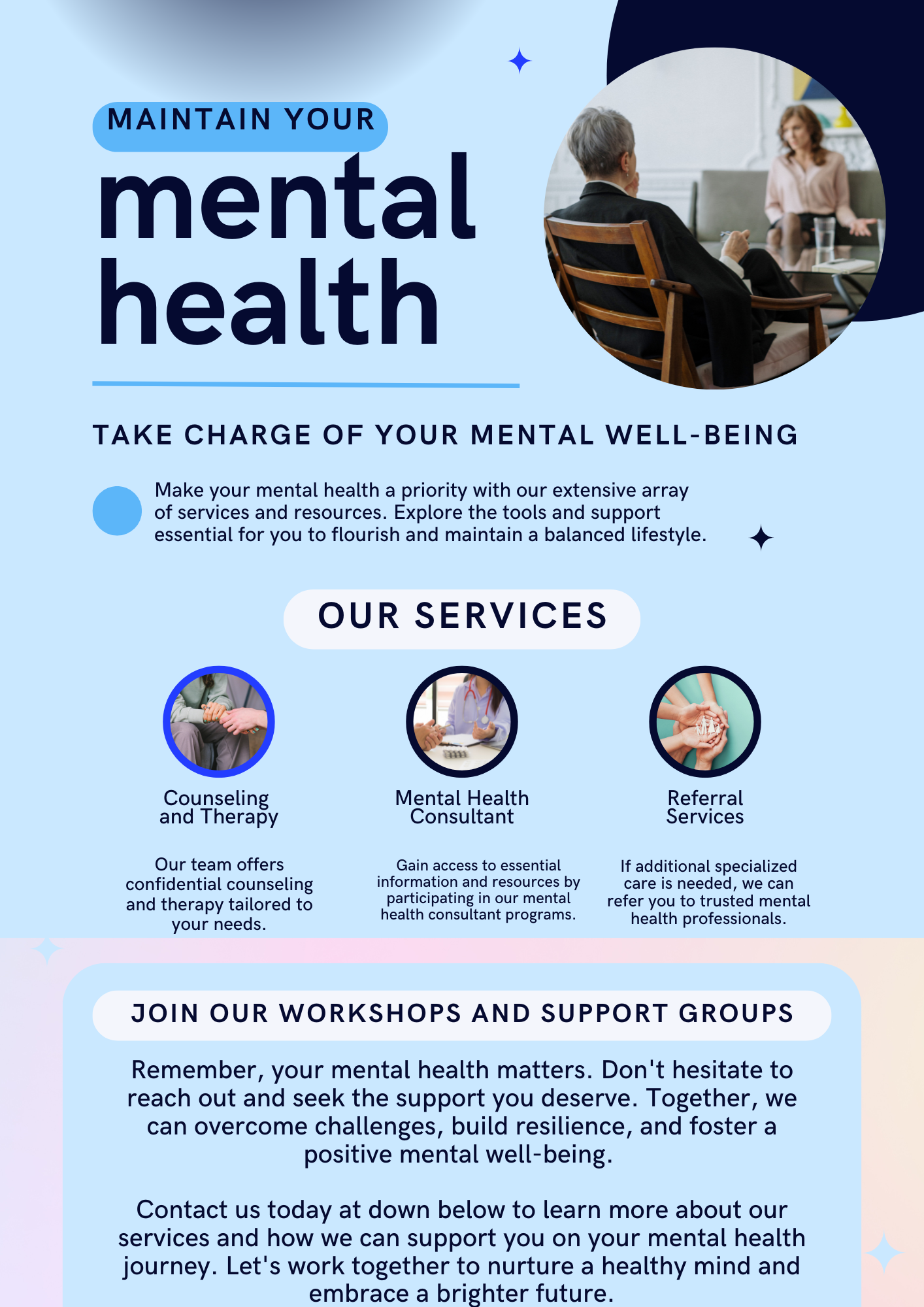
The Role of a Mental Health Support Worker: Responsibilities, Skills, and Impact
Introduction
Mental health support worker responsibilities skills and impact on man. Mental health has increasingly become a global concern, with millions of individuals experiencing conditions such as anxiety, depression, bipolar disorder, and schizophrenia. As awareness grows, so does the need for professionals who can provide dedicated support to those struggling with mental health challenges. Among these professionals, the Mental Health Support Worker (MHSW) plays a vital role. They work closely with patients, families, and healthcare teams to deliver care, guidance, and encouragement that can improve both recovery and quality of life.
This article explores the responsibilities, skills, challenges, and impact of a mental health support worker, highlighting why their role is essential in today’s healthcare system.
Understanding the Role
A mental health support worker is not always a clinician or therapist but rather a frontline worker who provides hands-on assistance to individuals with mental health issues. Their duties revolve around supporting patients in their daily activities, offering emotional encouragement, and helping them maintain stability in their personal lives.
They typically work in settings such as:
-
Psychiatric hospitals
-
Community mental health centers
-
Residential care facilities
-
Schools, prisons, or rehabilitation centers
-
Home care environments
Their role is both practical and empathetic, bridging the gap between medical treatment and everyday living.
Key Responsibilities
The daily tasks of a mental health support worker vary depending on the setting, but they generally include the following:
-
Providing Emotional Support
Mental health conditions can make individuals feel isolated or misunderstood. A support worker listens without judgment, provides reassurance, and creates a safe space where patients feel heard and respected. -
Assisting with Daily Living
For patients in residential care or those who struggle with independence, support workers help with cooking, cleaning, personal hygiene, and shopping. These practical tasks contribute to stability and routine, which are crucial in recovery. -
Monitoring Progress and Well-being
Support workers often observe changes in behavior, mood, or physical health and report these to medical professionals. Their observations are critical for early intervention if a patient’s condition worsens. -
Encouraging Healthy Habits
They encourage activities like exercise, proper nutrition, medication adherence, and social engagement—all of which play a role in mental wellness. -
Facilitating Social Integration
Many patients with mental health difficulties struggle to maintain friendships or participate in community life. Support workers assist with social skills and encourage involvement in group activities, promoting a sense of belonging. -
Crisis Intervention
In moments of distress or relapse, support workers may need to de-escalate situations, provide immediate comfort, and ensure patient safety while contacting professional help.
Essential Skills of a Mental Health Support Worker
To succeed in this demanding yet rewarding role, mental health support workers require a unique blend of personal and professional skills:
-
Empathy and Compassion: The ability to genuinely understand a patient’s struggles and respond with kindness is at the core of the profession.
-
Patience: Recovery is not linear; setbacks are common. Patience allows workers to support clients without frustration.
-
Communication Skills: Both verbal and non-verbal communication help establish trust and convey reassurance.
-
Resilience: Dealing with emotionally challenging situations requires mental strength and self-care practices.
-
Problem-Solving: Support workers often encounter unexpected challenges that require quick thinking and practical solutions.
-
Cultural Sensitivity: Recognizing and respecting cultural, religious, and personal values ensures more effective and respectful support.
Training and Qualifications
In most countries, becoming a mental health support worker does not always require a university degree, but relevant training is essential. Common pathways include:
-
A diploma or certificate in health and social care.
-
Specialized training in mental health awareness, safeguarding, or first aid.
-
On-the-job training provided by healthcare organizations.
In some cases, workers may pursue further studies in psychology, counseling, or social work to advance their careers. Continuous professional development (CPD) is highly encouraged to keep skills and knowledge updated.
The Impact of Mental Health Support Workers
The presence of mental health support workers in care settings provides benefits not only for patients but also for families, healthcare systems, and society as a whole.
-
For Patients
They offer consistent, compassionate care that improves self-esteem, independence, and overall quality of life. Having someone reliable to lean on can prevent feelings of abandonment and reduce the risk of relapse. -
For Families
Families often struggle to provide continuous care due to work and emotional strain. Support workers ease this burden by sharing responsibilities, offering professional insight, and guiding families on how to support loved ones effectively. -
For Healthcare Systems
By monitoring patients and preventing crises, support workers help reduce hospital readmissions and emergency interventions, ultimately saving costs for healthcare providers. -
For Society
Encouraging integration and independence helps patients contribute positively to their communities, challenging stigma around mental illness and promoting inclusivity.
Challenges in the Role
While rewarding, the job of a mental health support worker is not without its challenges:
-
Emotional Strain: Constant exposure to distressing situations can lead to burnout or compassion fatigue.
-
Safety Concerns: Some patients may display aggressive behavior, requiring workers to manage difficult and risky situations.
-
Stigma: Mental health stigma persists, sometimes extending to professionals working in the field, which can impact morale.
-
Limited Resources: Underfunded healthcare systems may leave workers stretched thin, impacting the level of support they can provide.
Despite these challenges, many support workers describe their careers as fulfilling, driven by the positive difference they make in people’s lives.
Self-Care for Support Workers
Given the emotional and physical demands of the role, self-care is critical. Support workers are encouraged to:
-
Engage in regular supervision and peer support.
-
Practice mindfulness, exercise, and healthy lifestyle choices.
-
Set professional boundaries to avoid overextension.
-
Seek counseling or therapy if they experience compassion fatigue.
By caring for themselves, they remain effective caregivers for others.
Future of the Profession
As mental health awareness continues to grow worldwide, the demand for skilled support workers is likely to rise. Advances in telehealth and digital tools may also reshape the way support is delivered, offering new opportunities for remote monitoring, online support groups, and digital therapy integration. Nevertheless, the human connection that support workers provide will remain irreplaceable.
Conclusion
A mental health support worker’s role is one of compassion, patience, and resilience. They are the steady presence who listens when others cannot, who helps patients rebuild their confidence, and who ensures that mental health care extends beyond hospitals into everyday life. Despite the challenges, their work has lasting impact—empowering individuals to live fuller, healthier, and more independent lives.
As mental health continues to be prioritized in global health discussions, mental health support workers will remain at the frontline of change, proving that empathy and support are just as essential as medication and therapy in the journey toward recovery