

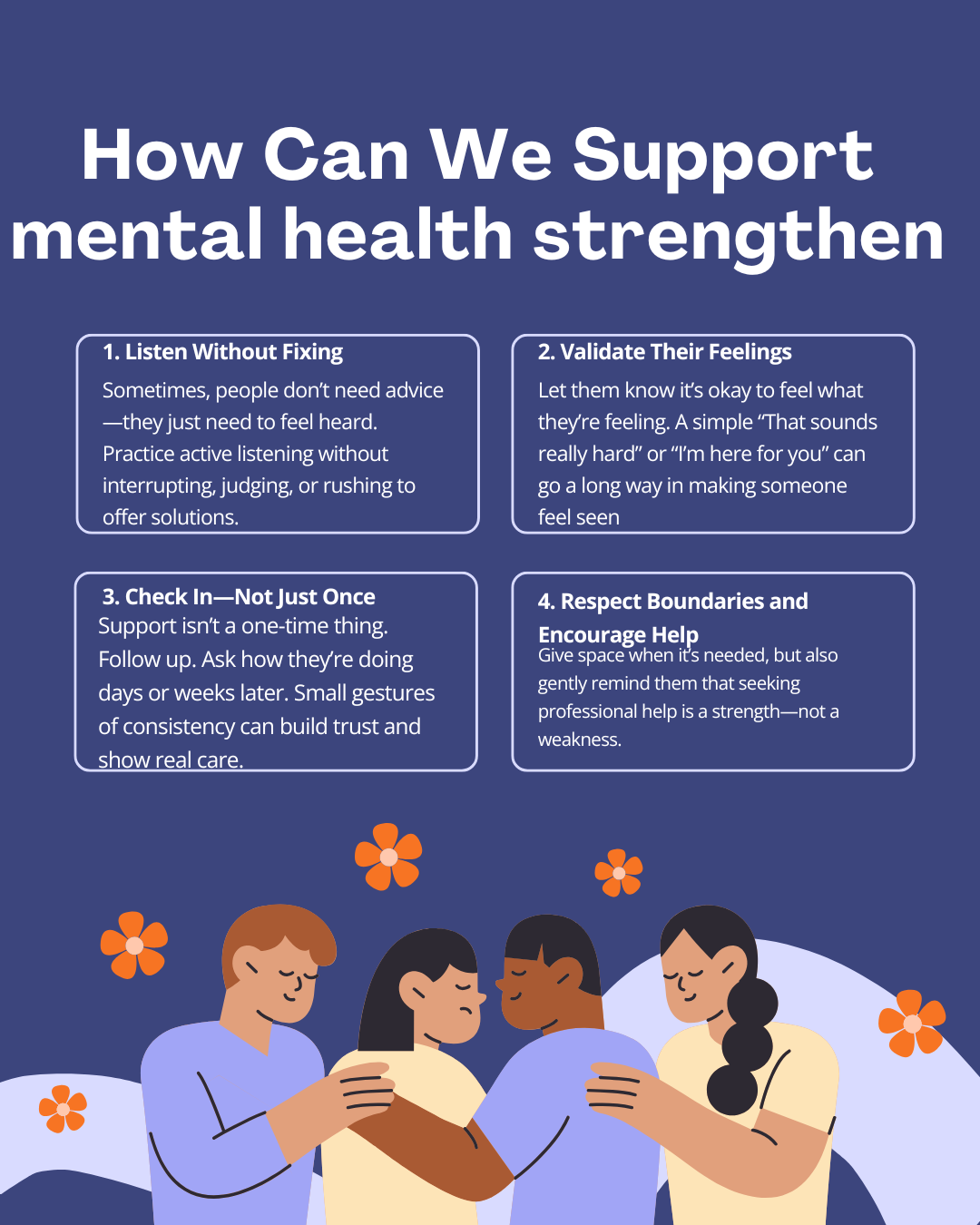
Community Support Groups in San Francisco:
Strengthening mental health together challenges affect individuals from all walks of life, and finding the right support can make a world of difference. In San Francisco, where the pace of life is fast and the cost of living is high, community support groups play an essential role in helping residents cope with stress, anxiety, depression, and other conditions. These groups provide not only emotional support but also a sense of belonging and shared understanding.
This article explores the importance of community-based mental health support, highlights the types of groups available in San Francisco, and provides insights into how they empower individuals to improve their well-being.
Why Community Support Matters
Dealing with mental health struggles often feels isolating. While therapy and medication are critical for many, the healing process also requires empathy, connection, and shared experiences. That is where community support groups excel.
Support groups:
-
Offer safe, judgment-free environments.
-
Create opportunities for people to share experiences.
-
Reduce stigma by normalizing mental health discussions.
-
Provide coping strategies learned from peers.
-
Encourage accountability in following through with personal goals.
In San Francisco, a city known for innovation and diversity, these groups are especially vital. They bridge gaps left by overburdened healthcare systems, making support accessible to anyone who seeks it.
Types of Mental Health Support Groups in San Francisco
1. Peer-Led Support Groups
Peer-led groups are facilitated by individuals who have personally experienced mental health challenges. Instead of a clinical format, they emphasize shared stories and mutual encouragement. Organizations like the Depression and Bipolar Support Alliance (DBSA) San Francisco host weekly meetings that bring together people managing mood disorders. Participants find comfort in knowing that others understand the unique ups and downs of recovery.
2. Professional-Led Therapy Groups
Some support groups are run by licensed therapists or counselors. These groups combine therapeutic guidance with community connection. For example, organizations like Haight Ashbury Psychological Services or San Francisco Therapy Collective offer group therapy sessions tailored to issues like anxiety management, grief, or trauma recovery.
3. Specialized Demographic Groups
San Francisco’s diversity has fostered groups that cater to specific communities. There are support networks for LGBTQ+ individuals, immigrants, seniors, and people of color. For example, the San Francisco LGBT Center regularly organizes mental health and peer-support sessions focused on identity, acceptance, and resilience. These groups recognize that cultural and personal backgrounds can shape the way individuals experience mental health.
4. Condition-Specific Groups
Some groups are dedicated to particular conditions such as eating disorders, PTSD, or substance use recovery. Overeaters Anonymous, Alcoholics Anonymous (AA), and Narcotics Anonymous (NA) hold multiple meetings daily across the city. Similarly, trauma-informed groups provide a nurturing space for survivors of violence or abuse.
5. Online and Hybrid Groups
Since the pandemic, many organizations have adopted hybrid models, allowing members to join virtually. This flexibility has broadened access for people who may face mobility issues, scheduling conflicts, or social anxiety. Platforms like NAMI San Francisco now offer both in-person and Zoom support sessions for family members and individuals living with mental illness.
Key Organizations Offering Support
NAMI San Francisco (National Alliance on Mental Illness)
NAMI is one of the most prominent mental health organizations in the country, and its San Francisco chapter is highly active. They host peer-support groups, family education programs, and workshops aimed at breaking the stigma around mental health. Their sessions are free and open to all, making them accessible regardless of income level.
Mental Health Association of San Francisco (MHASF)
MHASF is deeply rooted in peer support and advocacy. They focus on wellness, recovery, and reducing discrimination. Programs like their Warm Line, a non-crisis peer-run support phone line, provide immediate connection to someone who understands. Their support groups cover topics such as mindfulness, stress reduction, and coping with psychiatric diagnoses.
The San Francisco LGBT Center
Recognizing the unique mental health needs of the LGBTQ+ community, the center provides counseling and group programs. These groups address issues ranging from coming out and identity struggles to coping with discrimination and relationship challenges.
Kaiser Permanente and Other Healthcare Providers
Many hospitals and clinics in San Francisco run group therapy sessions as part of their behavioral health services. These include stress management workshops, grief groups, and mindfulness-based cognitive therapy (MBCT) groups.
Benefits Beyond Emotional Healing
Joining a community support group offers far more than just emotional relief. For many, it’s a catalyst for personal growth and community involvement.
-
Social Connections: Friendships built in support groups often extend beyond meetings, helping participants form stronger social networks.
-
Skill Building: Many groups integrate workshops on communication, mindfulness, and conflict resolution.
-
Advocacy and Empowerment: Members are often encouraged to become advocates, contributing to wider community awareness and policy improvements in mental health care.
-
Accountability: Regular meetings help individuals stay on track with their personal wellness goals.
Challenges Facing Support Groups in San Francisco
While support groups are vital, they also face hurdles. Limited funding, high demand, and lack of space often restrict availability. Language barriers and cultural stigmas can discourage certain communities from seeking help. Additionally, the city’s high cost of living means that some facilitators struggle to sustain low-cost or free programs.
Yet, the resilience of these groups demonstrates the community’s determination. Many rely on volunteers, donations, and partnerships with local nonprofits to continue serving residents.
How to Join a strengthening mental health Support together Group in San Francisco
For those seeking to connect with a group, the process is simple and welcoming:
-
Research Online: Use directories from organizations like NAMI, MHASF, or Meetup to find local sessions.
-
Contact Directly: Reach out by phone or email to inquire about meeting times and formats.
-
Try Multiple Options: Not every group is the right fit. Exploring different spaces can help you find the best match.
-
Attend with Openness: Bring an open mind and patience. It may take time to feel comfortable sharing, but the support grows with consistency.
The Future of Community strengthening Mental Health Support together in San Francisco
Looking ahead, the role of support groups is likely to expand. With increasing awareness of mental health’s importance, more organizations are adopting holistic, community-driven approaches. Hybrid models will remain, providing flexibility and accessibility. Partnerships between tech companies, nonprofits, and healthcare providers may bring innovative tools to make support more inclusive and effective.
San Francisco, as a city that embraces diversity and social progress, is uniquely positioned to become a leader in community-based mental health support. By prioritizing connection, compassion, and shared resilience, the city can continue to strengthen the well-being of its residents.
Conclusion
Community support groups are more than just meetings; they are lifelines for countless individuals in San Francisco navigating the complexities of mental health. Whether peer-led, professionally guided, or tailored to specific communities, these groups foster healing, empowerment, and hope. In a city often associated with technological innovation, the real innovation may lie in how people come together, listen, and support one another through life’s challenges.
For anyone struggling, San Francisco’s network of support groups offers a reminder: you are not alone, and healing begins with connection.