

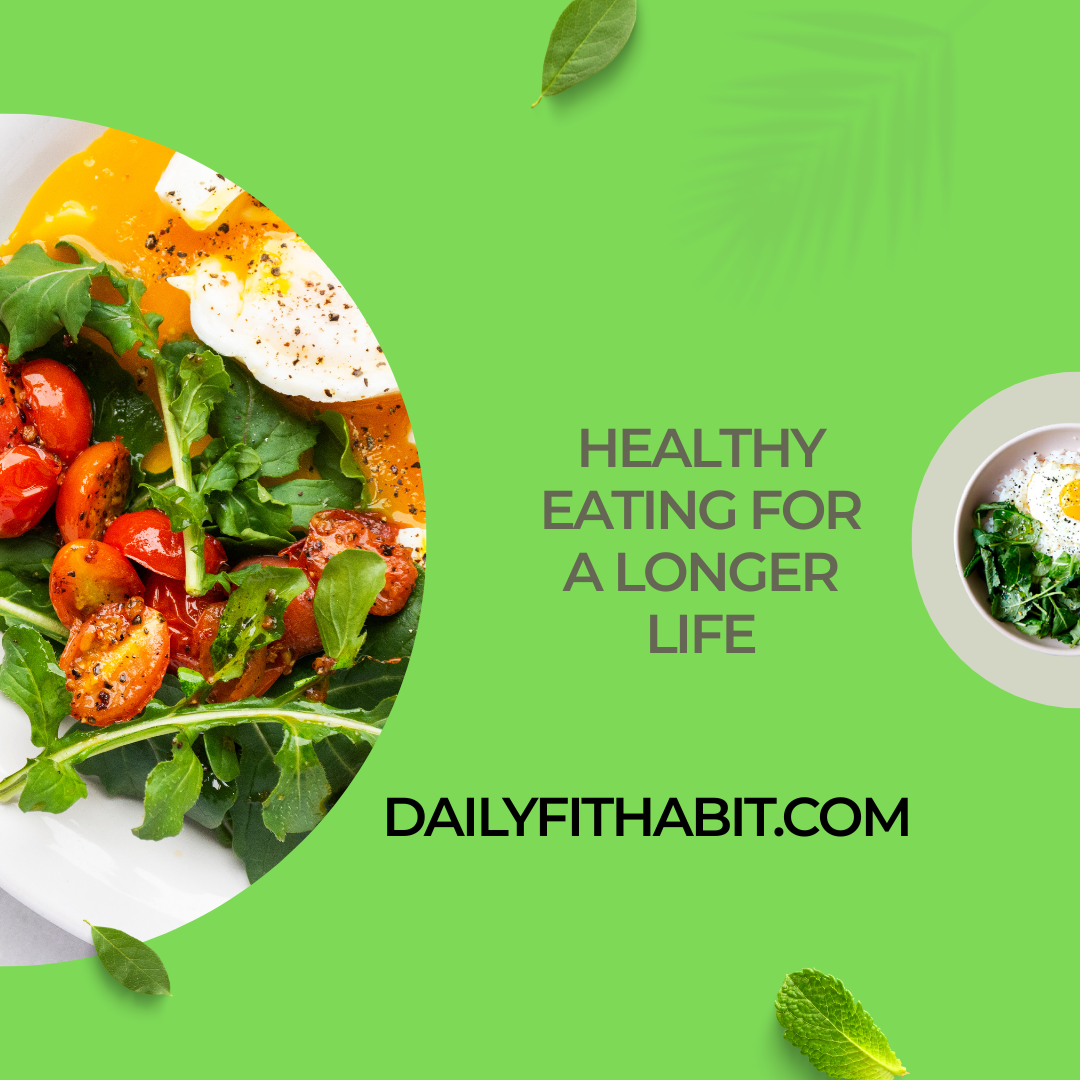
The Complete Ovastae Diet: A Holistic Guide to Balanced Living
Introduction
The world of nutrition is crowded with trends that often overpromise and underdeliver. The Complete Ovastae Diet stands apart because it is built on principles of nutrient diversity, portion balance, and natural food choices rather than restrictive fads. Its focus is not just on weight loss, but on long-term health, energy, and disease prevention. This guide explains its core principles, benefits, food lists, meal plans, and lifestyle practices.
Core Principles of the Ovastae Diet
The Complete Ovastae Diet emphasizes five pillars:
-
Whole Foods First
Fresh fruits, vegetables, whole grains, nuts, and seeds are prioritized to ensure micronutrient richness. -
Balanced Macronutrients
Instead of extreme carb cutting or high-fat intake, it promotes a 40-30-30 balance:-
40% complex carbohydrates
-
30% lean proteins
-
30% healthy fats
-
-
Gut-Friendly Eating
Probiotics (yogurt, kefir, kimchi) and prebiotics (bananas, oats, garlic) are included to improve digestion and immunity. -
Cyclical Flexibility
Ovastae allows a 5-2 cycle: five days of structured eating, two days of flexible choices in moderation to prevent burnout. -
Mindful Habits
Eating slowly, hydrating properly, and maintaining consistent meal timing are non-negotiable components.
Foods to Eat
-
Proteins: Chicken, turkey, fish, lentils, chickpeas, tofu, eggs.
-
Carbohydrates: Quinoa, brown rice, oats, sweet potatoes, whole wheat bread.
-
Fats: Olive oil, avocados, nuts, seeds, fatty fish (salmon, mackerel).
-
Fruits: Apples, berries, bananas, citrus fruits.
-
Vegetables: Leafy greens, broccoli, carrots, bell peppers.
-
Gut Boosters: Greek yogurt, sauerkraut, miso, kimchi.
Foods to Avoid
-
Refined sugars and sweetened beverages.
-
Ultra-processed snacks (chips, packaged pastries).
-
Excessive red or processed meat.
-
Hydrogenated oils (margarine, fried fast food).
-
Artificial additives and preservatives.
Health Benefits
-
Sustainable Weight Management
The balanced macronutrient ratio prevents energy crashes and reduces cravings. -
Improved Gut Health
Prebiotics and probiotics restore healthy microbiome balance. -
Stable Energy & Mood
Whole carbs and healthy fats maintain steady blood sugar levels. -
Cardiovascular Protection
Omega-3s and fiber lower cholesterol and inflammation. -
Long-Term Disease Prevention
Antioxidant-rich fruits and vegetables strengthen immunity and lower the risk of diabetes, hypertension, and certain cancers.
Sample 7-Day Ovastae Meal Plan
Day 1
-
Breakfast: Oats with blueberries, flaxseeds, and almond butter
-
Lunch: Grilled salmon, quinoa, steamed broccoli
-
Snack: Apple with walnuts
-
Dinner: Lentil soup with whole wheat toast
Day 2
-
Breakfast: Greek yogurt with honey and chia seeds
-
Lunch: Chicken breast with sweet potato mash
-
Snack: Carrot sticks with hummus
-
Dinner: Vegetable stir-fry with tofu
(The cycle continues with variations of proteins, grains, and vegetables.)
The complete ovastae diet
Lifestyle Integration
-
Hydration: At least 2–3 liters of water daily.
-
Exercise: Pair diet with 30 minutes of moderate activity (walking, yoga, cycling).
-
Rest: Prioritize 7–8 hours of sleep to allow metabolic recovery.
-
Flex Days: Two days a week allow room for small indulgences (a dessert, a favorite cultural dish).
Possible Challenges
-
Adjustment Period: Some may feel low energy in the first week as sugar cravings decline.
-
Meal Prep: Planning balanced meals requires effort initially.
-
Cost Factor: Organic or probiotic foods may cost more, though substitutions exist.
Conclusion
The Complete Ovastae Diet is more than just a food plan—it is a lifestyle philosophy. By focusing on nutrient diversity, gut health, balance, and mindful flexibility, it encourages sustainable eating habits that benefit both body and mind. Unlike short-lived trends, its long-term structure makes it adaptable for people of different lifestyles, cultures, and health goals.https://dailyfithabit.com/2025/08/23/palo-azul-herbal-tea/