
The Best Protein Powders for Baking Better Treats
Best Protein Powders for Baking is a fantastic way to boost the nutritional value of your favourite treats. It can transform a simple muffin or cookie into a satisfying, protein-packed snack that supports your fitness goals. However, not all protein powders are created equal, especially when it comes to baking. The wrong powder can result in dry, rubbery, or oddly flavored results.
This guide will walk you through the best protein powders for your baking adventures. We will explore which types work best in the oven, offer tips for successful substitutions, and help you create delicious and healthy baked goods every time.
Why Bake with Protein Powder?
Integrating protein powder into your recipes is more than just a health trend. It’s a practical way to make your food work harder for you. A protein-rich diet helps with muscle repair, keeps you feeling full longer, and can stabilize your energy levels.
By adding a scoop to your banana bread or pancakes, you increase their protein content without drastically changing the flavour. This makes it easier to meet your daily protein needs, especially if you have a sweet tooth. The key is choosing the right powder that complements your recipe instead of ruining it.
Top Protein Powders for Your Baking Needs
The behaviour of protein powder changes when heated. Some become gritty or dry, while others blend seamlessly. Here are the top choices that consistently perform well in baked goods.
1. Whey Protein
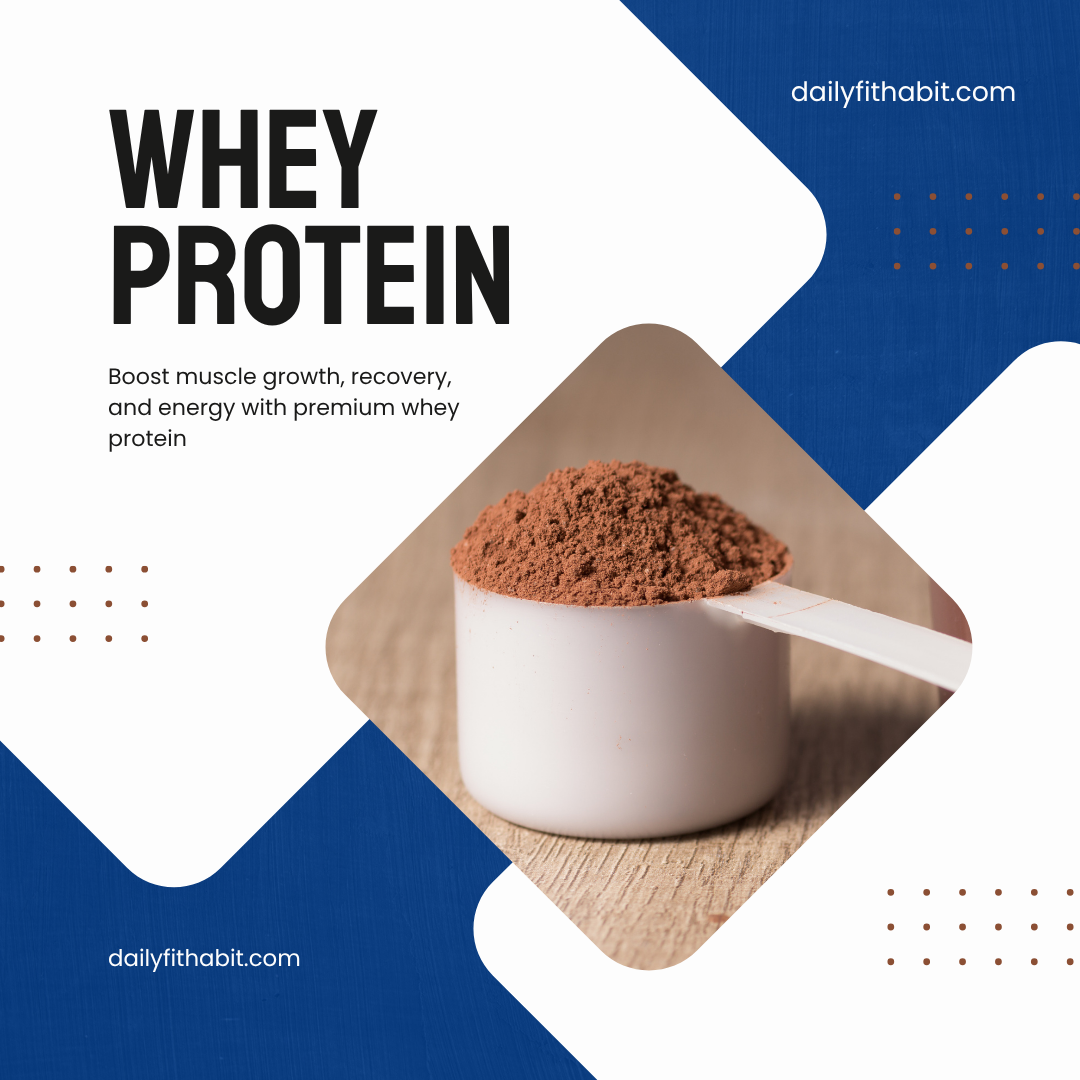
Whey protein is a popular choice for athletes, and it also happens to be a star in the kitchen. It comes in two main forms: concentrate and isolate.
- Whey Concentrate: This form is generally the best for baking. It contains some fat and carbohydrates, which helps keep baked goods moist and tender. It has a mild, creamy flavor that blends well into cakes, muffins, and cookies.
- Whey Isolate: While higher in protein and lower in carbs and fat, whey isolate can sometimes make baked goods a bit drier. This is because it absorbs more moisture. If you use isolate, you may need to add extra liquid, like milk, yogurt, or applesauce, to maintain a good texture.
Best for: Muffins, pancakes, cookies, and quick breads.
Flavor: Mild and slightly milky. Vanilla or unflavored versions are most versatile.
Texture: Creates a soft, cake-like texture when used correctly.
2. Casein Protein
Casein is the other protein found in milk. It digests more slowly than whey, which makes it very filling. In baking, its unique properties make it an excellent thickener.
Casein protein absorbs a lot of liquid, which can result in a thick, dense texture. This makes it perfect for recipes where you want a richer, more brownie-like consistency. It helps prevent baked goods from drying out and can produce a surprisingly smooth result.
Best for: Brownies, protein cheesecakes, puddings, and thicker cookies.
Flavor: Creamy and neutral.
Texture: Thick, smooth, and dense. It’s great for creating fudgy textures.
3. Plant-Based Protein Blends
For those following a vegan diet or avoiding dairy, plant-based protein powders are a great option. Blends often perform better than single-source plant proteins because they offer a more balanced profile of textures and flavors.
Look for blends that combine pea, rice, and hemp protein. These combinations tend to have a better texture and a more complete amino acid profile.
- Pea Protein: Has a strong, earthy flavor but bakes reasonably well. It can be slightly dense.
- Brown Rice Protein: Can be a bit gritty on its own but works well in a blend.
- Hemp Protein: Has a nutty, earthy flavor and can add a slightly greenish tint to your baking.
Best for: Vegan muffins, cookies, and energy bars.
Flavor: Can range from neutral to earthy. Flavored blends (like chocolate or vanilla) often mask any plant-like taste.
Texture: Varies by blend, but good ones can produce a soft, moist result.
4. Collagen Peptides
While not a complete protein, collagen peptides are a fantastic addition to baked goods. Collagen is completely flavorless and dissolves easily in both hot and cold liquids. Most importantly, it doesn’t change the texture of your recipes.
You can add collagen to almost anything without needing to adjust the other ingredients. It won’t dry out your baked goods like some traditional protein powders can. This makes it a foolproof option for anyone new to protein baking.
Best for: Any recipe where you want to boost protein without altering texture, such as cakes, cookies, and even coffee.
Flavor: Unflavored and undetectable.
Texture: Does not affect the final texture of the baked good.
Tips for Baking with Protein Powder
Ready to start baking? Keep these tips in mind for the best results.
Follow the Substitution Rule
You can’t just swap flour for protein powder at a 1:1 ratio. Doing so will likely lead to a very dry and dense outcome.
- Start small: Replace no more than 1/3 of the flour in a recipe with protein powder. For example, if a recipe calls for 1 cup of flour, use 2/3 cup of flour and 1/3 cup of protein powder.
- Adjust as you go: You can experiment with higher ratios, but be prepared to add more liquid to compensate.
Increase Your Liquids
Protein powder is very absorbent. To counteract this, you’ll need to add more moisture to your batter. For every scoop (about 1/4 cup) of protein powder you add, consider adding one of the following:
- 1/4 cup of milk, water, or plant-based milk
- 1/4 cup of plain yogurt or Greek yogurt
- 1/4 cup of unsweetened applesauce or mashed banana
- An extra egg
Don’t Overmix the Batter
When you mix flour with liquid, you develop gluten, which gives baked goods their structure. Protein powder behaves differently. Overmixing a batter with protein powder can make the final product tough and rubbery. Mix the ingredients only until they are just combined.
Lower the Baking Temperature
Protein-heavy batters can burn more easily than traditional ones. Consider lowering your oven temperature by about 25°F (around 15°C) and baking for a slightly longer time. Keep a close eye on your treats to prevent them from becoming too brown or dry.
https://dailyfithabit.com/2025/10/08/low-fiber-diet-for-colonoscopy/
Simple Recipe Ideas to Get You Started
Here are a few ideas to inspire your protein baking journey:
- Protein Pancakes: Add a scoop of vanilla whey protein to your favorite pancake mix. Top with Greek yogurt and berries for an extra protein punch.
- Fudgy Protein Brownies: Use chocolate casein protein to create rich, fudgy brownies. The casein will help create that dense, satisfying texture.
- Oatmeal Protein Cookies: Combine oats, a plant-based protein blend, banana, and nuts for a simple and healthy cookie.
- Blueberry Protein Muffins: Replace 1/3 of the flour in your go-to blueberry muffin recipe with whey concentrate and a bit of extra milk.
Bake Your Way to Better Nutrition
Baking with protein powder is a simple and effective way to make your favorite snacks healthier. By choosing the right powder and making a few small adjustments to your recipes, you can enjoy delicious treats that are both satisfying and nutritious. Whether you prefer whey, casein, or a plant-based option, there’s a protein powder that can help you elevate your baking game.